
What your tenants and visitors see
Enforcement has a reputation, and most of it is deserved. If you manage a building, the risk you are weighing is not whether this works — it is whether your residents will spend the next year complaining about it.
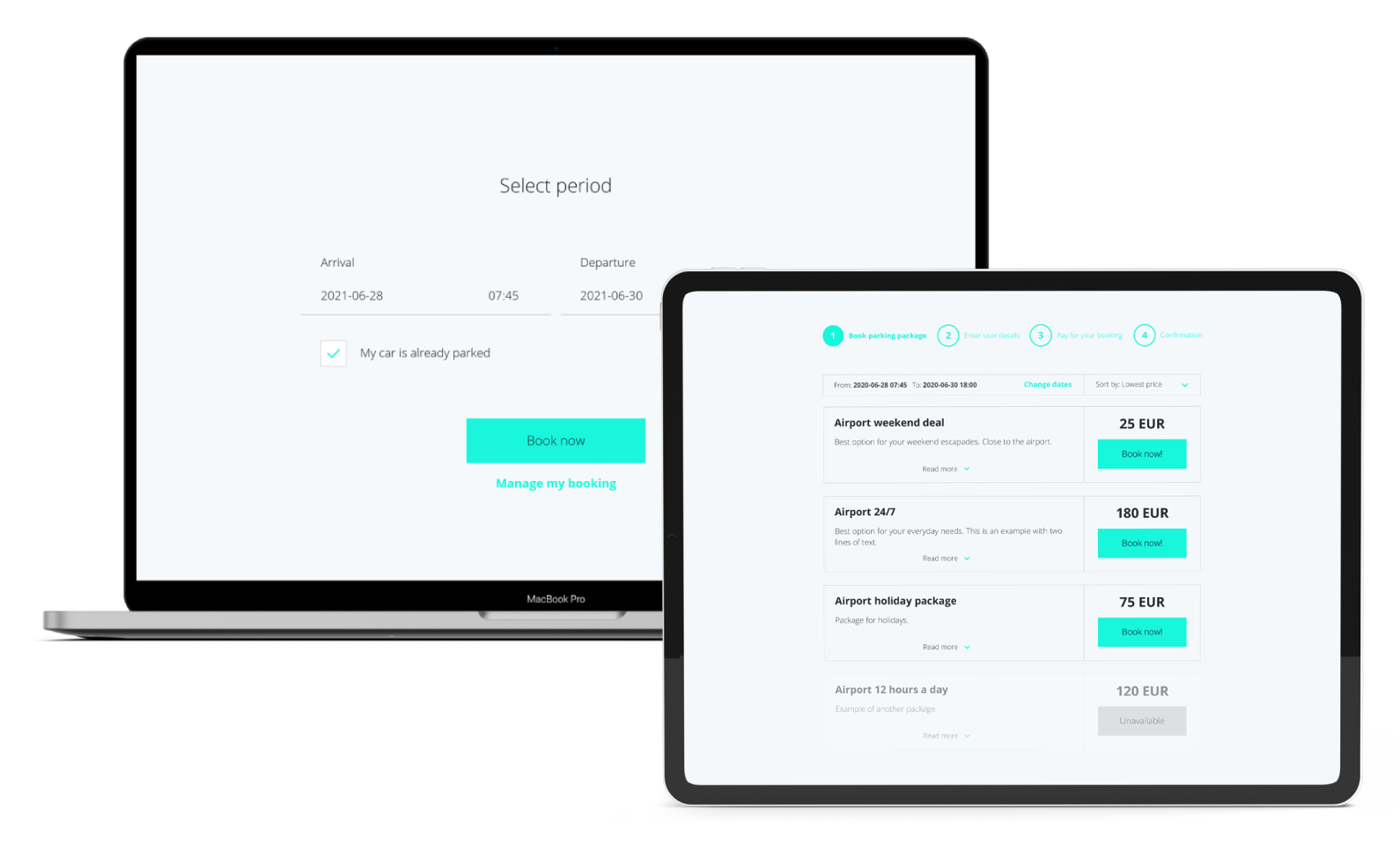
Nobody is in violation while they are parking
A grace period starts the moment the car is read at the entrance. It exists so that reading the signs, finding a space and getting a phone out are not themselves an offence. Nothing can be issued against a vehicle inside it.
That single detail removes most of the complaints that enforcement usually generates, because most of them come from people who were about to pay.
Residents are not enforced against
A tenant's plate is their permit. They are recognised on arrival and the system knows they are covered — there is nothing to display, nothing to renew and nothing to forget on the kitchen table.
If a resident has an allocation and exceeds it, they are billed for the excess. They are not treated as an evader and they do not receive a fine. That distinction is built into how sessions are handled, not left to an officer's judgement on the day.
Guests
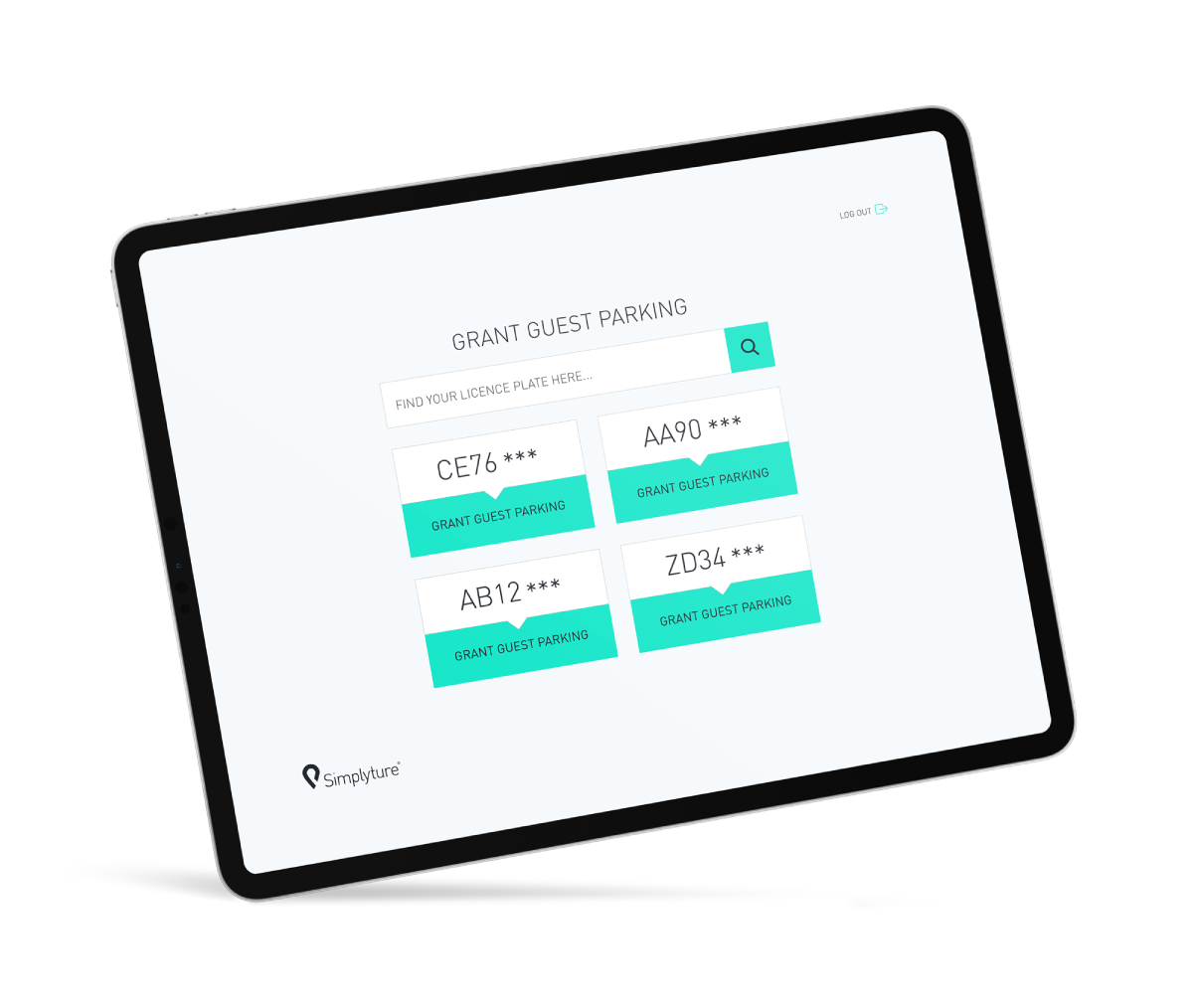
A resident registers their visitor's plate themselves, for as long as the visit needs. No phone call to a caretaker, no paper pass, and no situation where a guest is fined because the person they came to see was not in.
Where a building would rather charge visitors, they pay the same way anyone else does — at a machine, on their phone, or through a parking app they already have.
Paying, for everyone else
A driver who is not covered commits to payment shortly after arriving. The amount is reserved, not taken. What they finally pay is worked out on exit from the time actually parked, so leaving early costs less and nobody is charged for hours they did not use.
A driver who is slow to pay is covered from the moment they do. A discount works from the moment it is applied, too: it cannot be applied afterwards to time already parked.
Who gets a fine
Only a vehicle genuinely in violation — past its grace period, not covered by a permit or discount, and not committed to payment. An officer scanning a plate sees that status live rather than guessing from a list printed that morning.
The point is as much about the cars that are not fined as the ones that are. A wrongly issued charge costs an appeal, a refund and a resident who tells the story for a year.
And the number plate?
A fair question, and one residents do ask. What happens to plate data is set out separately.